
There are plenty of accessories that complete an outfit. Far fewer make the outfit.
That distinction is what makes Lost Pattern interesting. The New York City-based label has built its identity around expressive prints, silk craftsmanship, and accessories that feel closer to wearable artwork than something chosen simply to fill a gap in your wardrobe. Its collection stretches from silk scarves and bandanas to hats, bags, clothing, cashmere pieces, sleep accessories, and giftable items, but the same visual personality runs through almost everything it makes.
If your wardrobe tends to lean toward clean basics, Lost Pattern is particularly easy to appreciate. A scarf with a strong print can transform a white shirt, black dress, blazer, denim jacket, or simple knit in seconds. Instead of buying an entirely new outfit, you are adding one piece that changes how clothes you already own feel.
That versatility is one of the brand’s strongest selling points.
More Than Just Another Silk Scarf Brand
Lost Pattern describes itself as a designer brand centered on modern storytelling through silk, color, and pattern. What makes that positioning feel more convincing is the design process behind the pieces: signature patterns begin as hand-drawn artwork inspired by nature and everyday moments before being translated into accessories and garments.
You can see that artistic approach particularly well in collections such as Lost Pattern x The New York Botanical Garden. The “Orchid Symphony” silk bandana, for example, turns botanical imagery into a dense composition of orchids rather than relying on a conventional repeating floral print. The result feels decorative without looking predictable. The piece is made from 100% mulberry silk, measures 24 x 24 inches, features double-sided printing and hand-rolled edges, and is listed as OEKO-TEX certified.
Those details matter because a beautiful scarf is only useful if it also feels good enough to wear regularly.
Lost Pattern says its silk products use 100% mulberry silk, a material prized for its smooth, lightweight feel. The company also says its scarves use OEKO-TEX-certified dyes and highlights traditional hand-finishing as part of its production process.
In other words, the appeal is not limited to the print you see on a screen. There is attention to what the piece feels like, how it falls, and how the edges are finished.
One Accessory, More Ways to Wear It
The best argument for owning a silk scarf may actually be how many jobs it can do.
Wear a square scarf traditionally around the neck and it instantly adds polish. Fold it diagonally and it becomes a bandana. Tie one around a ponytail or bun and it functions as a hair accessory. Wrap it around the handle of a handbag, wear it as a headscarf, or use a skinny silk scarf as an accent with a button-down shirt.
That flexibility makes Lost Pattern’s assortment especially appealing if you prefer buying fewer accessories but getting more use from each one.
The brand offers square scarves, skinny scarves, bandanas, shawls, hair scarves and pocket squares rather than locking customers into a single silhouette. Beyond silk, the catalog currently includes cashmere and wool accessories, straw and reversible hats, totes, clothing, silk sleep masks, pillowcases, scrunchies and gift sets.
So while scarves remain the natural starting point, this is not a one-product label.
And if you are unsure where to begin, a smaller silk scarf or skinny scarf makes an easy entry point. It gives you the Lost Pattern aesthetic without asking you to completely rethink the way you dress.
The Collaborations Give the Brand More Character
Another reason Lost Pattern stands apart is its willingness to build collections around stories rather than simply seasonal colors.
Its collaborations have included the Frida Kahlo family, Sephora, The New York Botanical Garden, Service Academy Women, UC Davis and other cultural or institutional partners.
The FRIDA x LOST PATTERN collection is an obvious example. It uses floral imagery and references connected with Frida Kahlo’s visual legacy across scarves, pocket squares and hats. Rather than treating collaboration as a logo exercise, Lost Pattern’s broader approach is to turn the subject into a design narrative.
That also makes these pieces stronger gifts.
A scarf connected to art, gardens or a meaningful cultural story tends to feel far more personal than another generic accessory picked at the last minute.
A More Thoughtful Approach to Fashion
Lost Pattern also puts considerable emphasis on sustainability.
According to the brand, its packaging is 100% plastic-free and made from recyclable paper materials. It also describes using deadstock fabric in selected products and incorporating natural or biodegradable fibers such as silk, cashmere, organic cotton and linen into its collections.
The company also highlights Hangzhou’s long silk-making tradition and says its scarves are hand-finished by local artisans who retain flexibility around family responsibilities and seasonal community work.
For shoppers trying to move away from disposable, trend-driven accessories, that philosophy makes sense. A well-chosen scarf does not need to disappear from your wardrobe after one season. The same piece can look completely different depending on how you style it.
Buy the design you genuinely love, and it can become one of those small wardrobe details you reach for year after year.
Is Lost Pattern Worth Shopping?
For someone who wants the cheapest possible fashion accessory, Lost Pattern probably isn’t trying to compete in that category.
The appeal lies elsewhere.
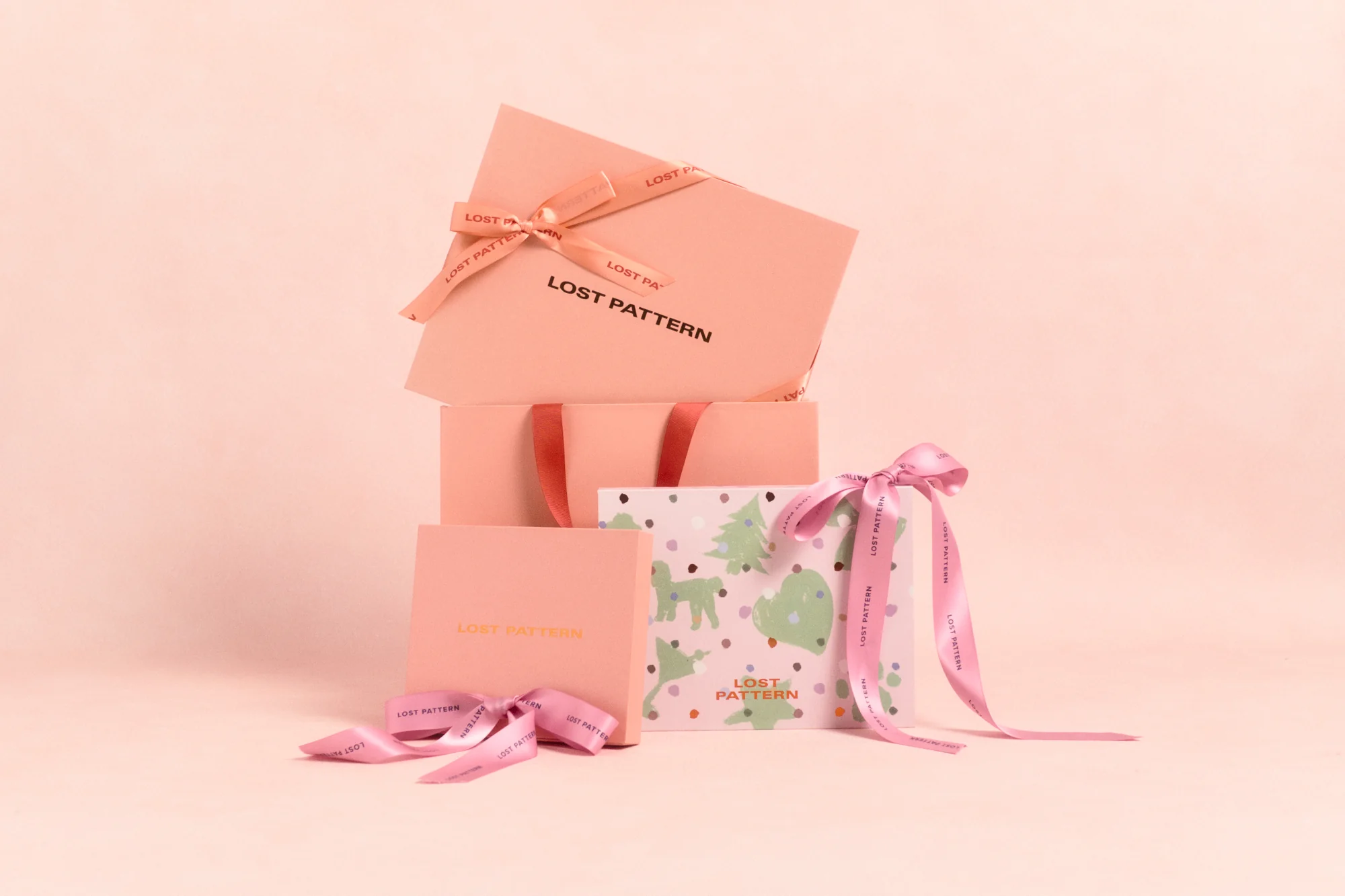
You are getting an accessory where the pattern itself is part of the design story, with a strong focus on silk, hand-finishing, artistic collaboration and presentation. The brand also offers gift-ready packaging, free shipping on qualifying U.S. orders over $99, and promotes a 10% discount for first-time newsletter subscribers.
That combination makes Lost Pattern particularly attractive for three kinds of shopper: someone wanting to upgrade an everyday wardrobe without buying more clothes, someone searching for a distinctive gift, or someone who simply loves prints and accessories that don’t feel mass-produced.
The hardest part may be choosing just one design.
A bold scarf can become the centerpiece of a simple outfit. A skinny scarf adds color without feeling overly dressed. A silk bandana works almost anywhere. And one of the brand’s collaborative pieces can double as a gift with an actual story behind it.
If you’ve been looking for an accessory that feels more individual than the usual department-store choices, Lost Pattern is worth exploring. Start with the print that immediately catches your eye rather than overthinking how you’ll wear it. With something as adaptable as a silk scarf, you’ll probably find more styling possibilities once it is actually in your wardrobe.
Sometimes the most satisfying purchases aren’t the biggest ones. They’re the small pieces that make everything you already own look better.